The Double Bay Homeowner's Guide to Sandstone Restoration & Sealing
Walk down almost any street in Double Bay NSW 2028 and you will find it: sandstone. It edges driveways, forms the steps up to grand Federation entries, retains harbourside gardens, and lines the seawalls along the foreshore. This soft, honey-coloured stone is one of the defining materials of the Eastern Suburbs — and one of the easiest to damage with the wrong cleaning approach.
Why Sandstone Needs a Different Approach
Unlike dense granite or engineered pavers, sandstone is a sedimentary rock made of compacted sand grains. It is porous, which is exactly why it stains so readily — salt, algae spores, tannins from leaf litter and general grime work their way into the surface layer rather than sitting on top. It is also why a domestic pressure washer set to full power can do real damage in seconds, blasting away the softer, weathered surface and leaving permanent pitting or a patchy, lighter-coloured scar.
We see this most often on Double Bay and Rose Bay properties where a well-meaning owner has hired a generic pressure washer without sandstone experience. The stone looks clean for a few weeks, then the exposed, roughened surface actually stains faster than before because it has lost its natural weathered patina.
Our Three-Step Restoration Process
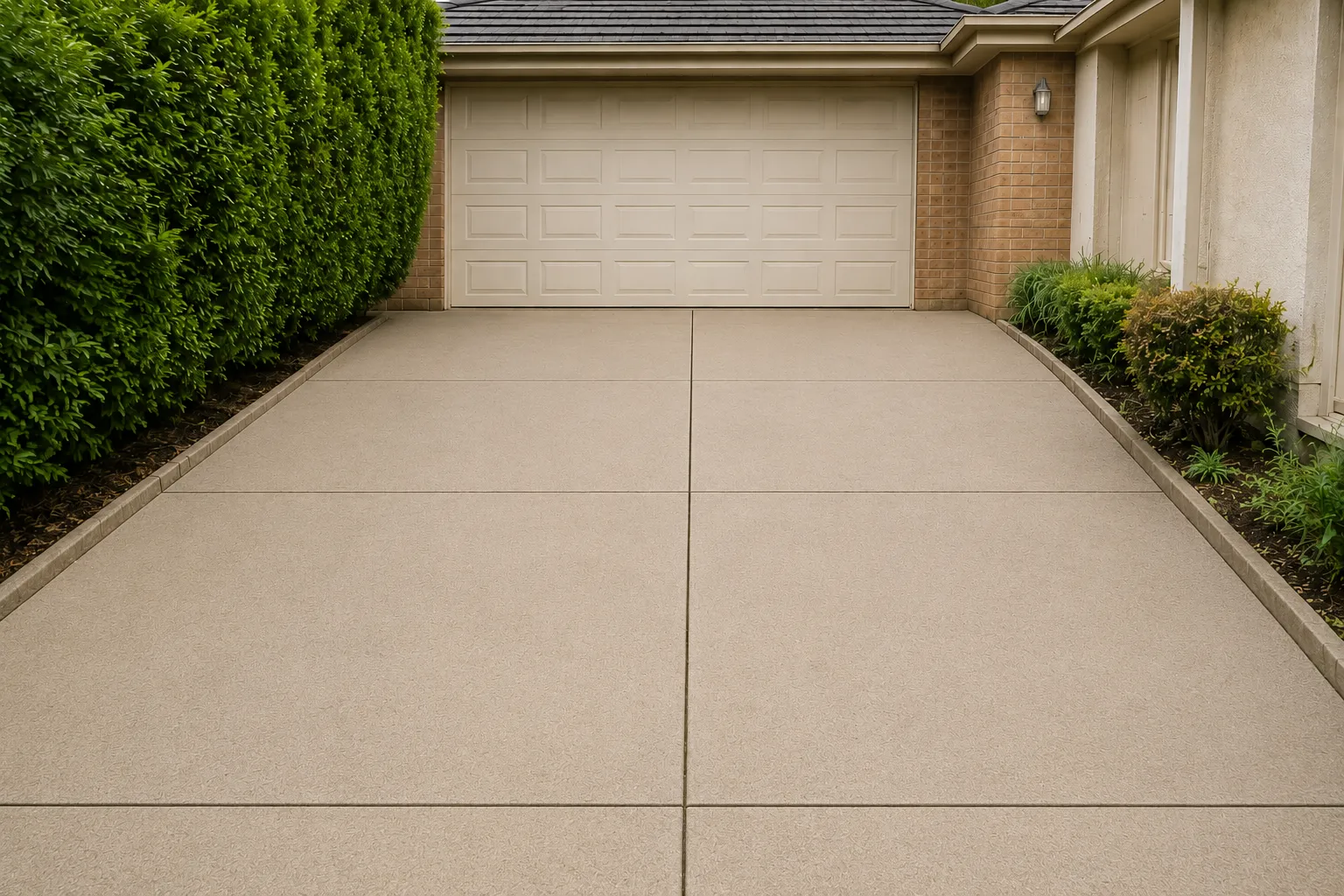
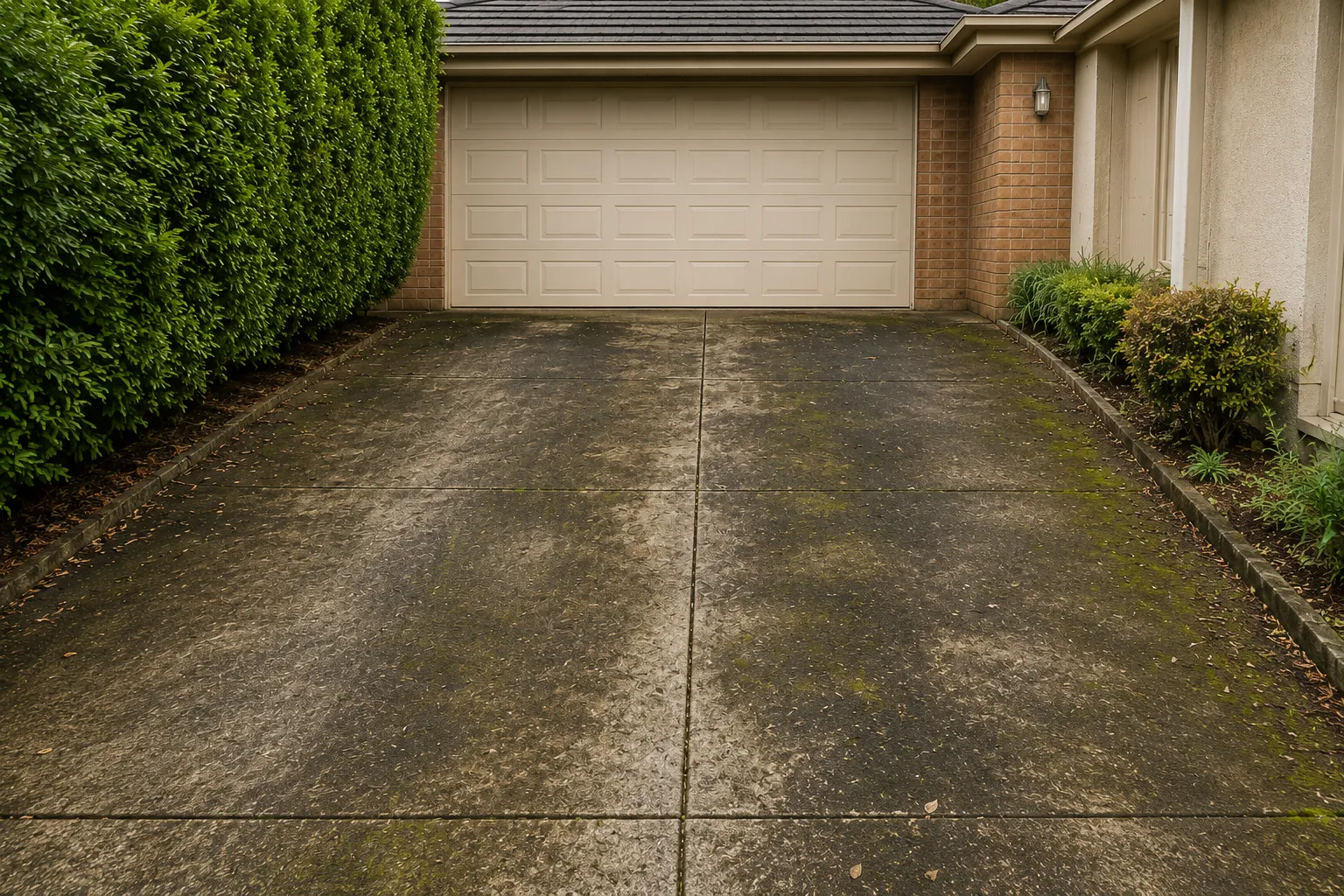
1. Chemical pre-treatment. We apply a biodegradable algaecide and mould treatment first, letting it dwell on the stone to break down organic staining at a molecular level before any water touches the surface.
2. Low-pressure soft wash. Rather than high PSI, we use water at a low, controlled pressure and a wide fan tip to lift the now-loosened staining. This is the same soft-wash principle we use on rendered facades and roof tiles — the chemistry does the work, not brute force.
3. Breathable sealing. Once the sandstone is fully dry, we apply a penetrating, breathable sealer that repels water and oil without trapping moisture inside the stone — trapped moisture is what causes sandstone to crumble and spall from the inside out over winter.
Boat Ramps, Seawalls & Pool Surrounds
For harbourside sandstone — boat ramps near Rose Bay Marina, retaining walls in Point Piper, or pool surrounds across Bellevue Hill — salt crystallisation is the biggest enemy. Salt drawn up through the porous stone by capillary action crystallises just below the surface and physically pushes flakes of stone away, a process called spalling. Regular gentle washing removes surface salt before it has a chance to migrate inward, which is why we recommend a professional soft wash every 12 to 18 months for waterfront sandstone rather than waiting until staining is visible.
If you are planning a driveway, deck or facade refresh alongside your sandstone care, our driveway and path cleaning service and building facade washing pages outline our full process for the harder surfaces surrounding your sandstone features.
Sandstone FAQs
Can I pressure wash sandstone myself?▾
A consumer electric pressure washer can be used cautiously on sealed, dense sandstone at very low pressure and wide fan angle, but it is easy to blow out soft or weathered patches. For heritage steps, seawalls or retaining walls we recommend a professional assessment first.
How often should sandstone be sealed?▾
Most Double Bay sandstone surfaces benefit from re-sealing every 2 to 3 years, though exposed seawalls and heavily trafficked steps may need more frequent attention due to constant salt and moisture cycling.
What causes black staining on sandstone near the harbour?▾
Black staining is typically a combination of mould, algae and airborne pollutants that thrive in the salt-laden, humid air around Double Bay. It sits in the porous surface layer of the stone and responds well to biodegradable algaecide treatments applied before a gentle wash.
Sandstone-Heavy Suburbs We Service
More From Double Bay Pressure Washing
This guide is brought to you by Double Bay Pressure Washing, part of the Pro Clean Corp network, whose sister teams apply the same meticulous, surface-safe standard to exterior restoration projects across Sydney.